Tell us about the business
Share operations, locations, employees, vehicles, property, contracts and current insurance.
Coverage Detail
Help protect your business against covered third-party bodily injury, property damage and certain personal or advertising injury claims.

Quote Preparation
We review your operations, contracts, current coverage and service needs so the quote reflects the risks and requirements specific to your business.
Third-party injuries, property damage, advertising injury and contract-driven certificate requests.
Actual protection depends on the terms, exclusions, limits and underwriting requirements of the applicable policy and insurer.
Process
Share operations, locations, employees, vehicles, property, contracts and current insurance.
Identify common coverage areas and questions that may affect the quote conversation.
Move toward the coverage direction that fits the business need and insurer requirements.
Contact Valoridge for policy changes, certificates, renewal questions and claims guidance whenever you need help.
Explore
Commercial insurance decisions often involve more than one coverage category.
Combine core liability and property protections in one policy format that can work well for many eligible small and mid-sized businesses.
Explore pageHelp protect buildings, equipment, inventory, furniture and other business property against covered causes of loss.
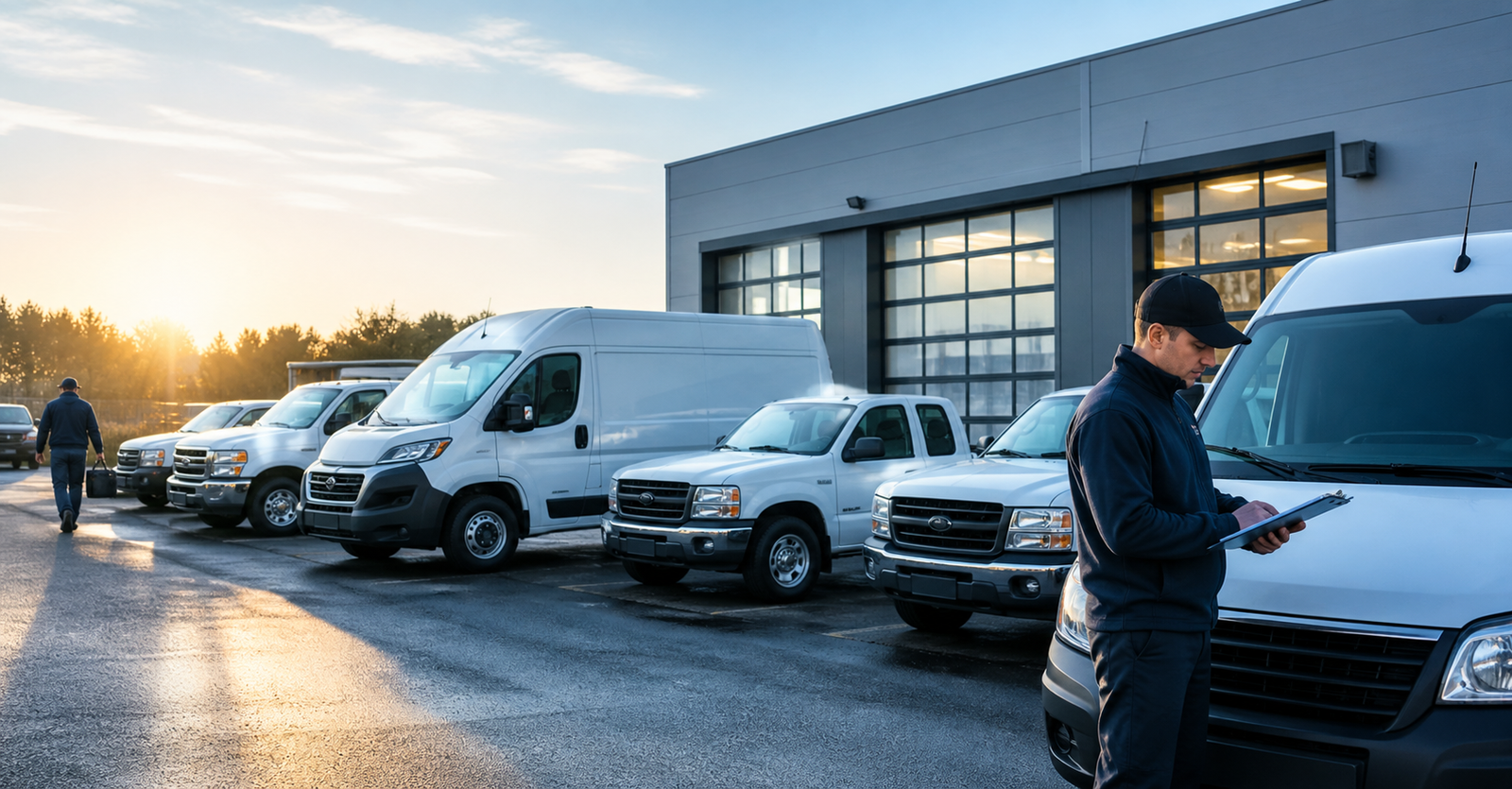
Explore pageCoverage designed for vehicles used for business purposes, including company cars, vans, pickups and certain commercial trucks.
Explore pageFrequently Asked
Straightforward answers, with coverage descriptions tied to policy terms and insurer requirements.
The right mix depends on your operations, employees, property, vehicles, contracts, customers and industry.
Some eligible businesses may be able to combine core liability and property protections through a Business Owners Policy.
Operations, revenue, payroll, locations, vehicles, employees, property values, prior claims and current coverage can all help shape the discussion.
Next Step
Tell us what your business does, where it operates and what you need to protect.